The £20 Reset: Why a Scarf Beats Another Coat This Winter
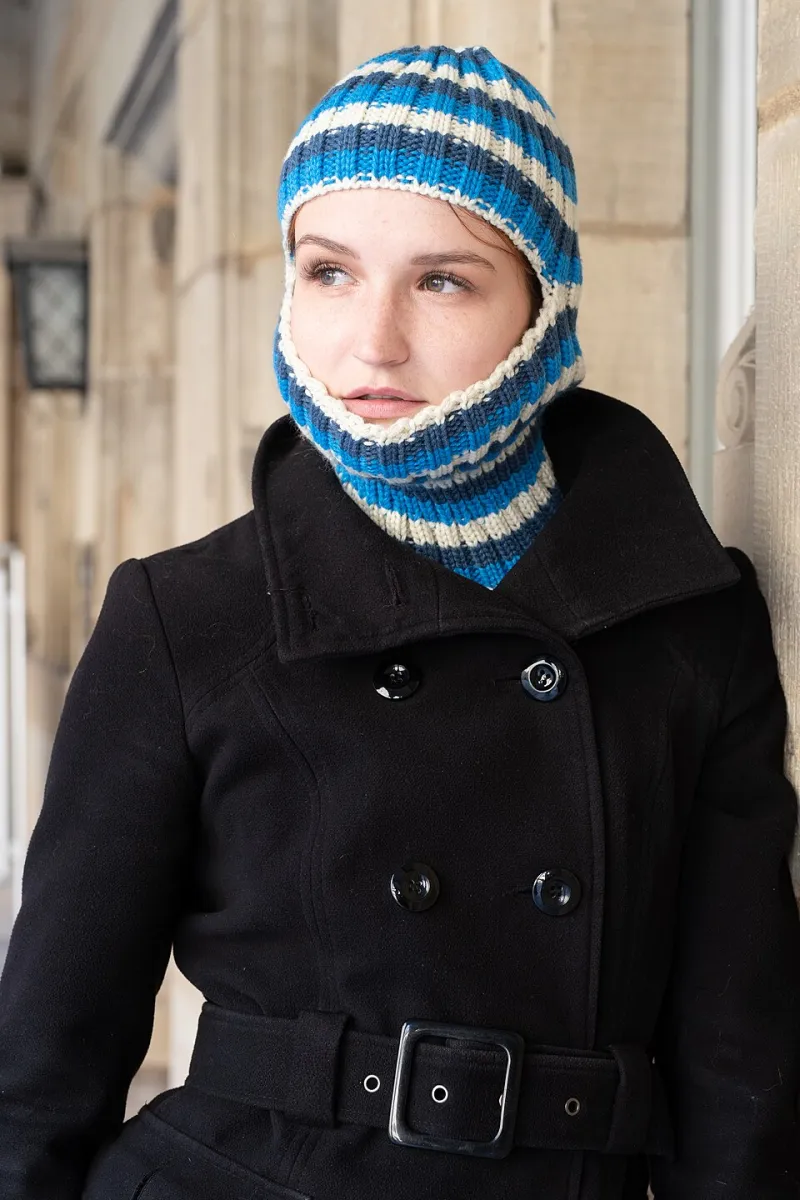
Photo: Tobias ToMar Maier, CC BY-SA 3.0, via Wikimedia Commons
There is a moment in every winter wardrobe when the coat rail starts to feel like a rerun. The same black wool, the same camel number, the same practical parka that has seen you through three school runs and a damp Bonfire Night. Your instinct is to buy another coat. Your bank balance would prefer you did not.
This is where the scarf earns its keep. Not as an afterthought stuffed into a coat pocket, but as the piece that changes the whole sentence. A £20 scarf sits right next to your face, which means it alters how you look in photographs, how a coat reads from across the street and how put-together you feel at 8.15am when you are mostly operating on tea and muscle memory.
A new coat is a big decision. A new scarf is a small, low-risk edit. And in the UK, where winter is less about deep snow and more about wind, drizzle and rooms that are either boiling or freezing, a scarf is genuinely useful rather than decorative. It fills the gap at the neck, adds a layer you can remove indoors and makes an old coat look considered rather than repetitive.
Why a scarf does more than another coat
A coat is the background. A scarf is the punctuation. If your coat is neutral — black, navy, grey, camel, olive — a scarf can introduce the colour you actually want to wear without committing to a whole new garment. Berry, cobalt, rust, cream, chocolate, even a flash of scarlet: all of them behave differently beside the face.
There is also the cost-per-wear maths. One good scarf can work across a tailored coat, a padded jacket and a wool overcoat. It can be looped for the school run, draped for the office and knotted for drinks. Another coat tends to solve one problem: you are bored of the coat you have. A scarf solves several: warmth, colour, texture and the feeling that you have made an effort.
The trick is not to buy the loudest scarf in the shop. It is to buy the one that makes your existing coats look as though they were planned together.
The three-question test before you spend
Before parting with your £20, ask three questions.
Does it echo or contrast? If your coat is camel, a cream, chocolate or rust scarf will feel harmonious. If your coat is black, almost anything works, but berry, cobalt or a graphic stripe will do more work. If your coat is already patterned, choose a plain scarf in one of the colours inside the pattern. That is the quietest way to look pulled together.
Does the texture fight or flatter? A smooth wool coat likes a chunky knit scarf, a lighter merino wrap or a silk square tucked in. A puffer or duffle can take a big, cosy scarf without looking bulky. A checked coat often looks best with a plain, fine-gauge scarf so the pattern remains the main event.
Is the scale right for you? A huge blanket scarf can swallow a petite frame, while a neat silk square can disappear on someone tall in a long coat. Neither is wrong — just be honest about how much fabric you want around your face. If you wear glasses or big earrings, keep the volume lower.
Five formulas for a very British week
The school run: parka plus berry wool
A practical parka can look a bit utilitarian at 8.15am. Add a long woven scarf in berry, rust or deep green, loop it once and let the ends hang loose. Keep the loop low enough that it does not crowd your chin. A crossbody bag keeps your hands free for gloves, keys and the inevitable forgotten water bottle. This is not about looking polished for the school gate; it is about looking like you made one deliberate choice before leaving the house.
The office: tailored coat plus fine merino
With a tailored coat, try a fine merino or cashmere-blend scarf in cream, grey or soft camel. Drape it inside the lapels rather than wrapping it tightly, so the coat still looks like a coat. If your office is overheated, a smaller silk or lightweight square tucked at the neck is easier to remove and stuff into a tote. A belt over the coat can hold a long scarf in place without making it look fussy.
The weekend walk: puffer plus chunky cream
A dark puffer or duffle benefits from a chunky knitted scarf in oatmeal or cream. Bunch it around the neck rather than tying it neatly — the contrast between smooth nylon and hairy knit is the point. If you want to look less like you are heading to a fell and more like you are heading to a nice café afterwards, add a beanie in the same colour family and keep the rest of your outfit simple.
Pub lunch: check coat plus striped scarf
A check coat can feel repetitive by January. A simple striped scarf — navy and cream, or black and grey — adds pattern without competing. Fold it in half, loop the ends through and adjust so the stripes sit at an angle rather than dead centre. Inside the pub, loosen it and let it hang over the back of your chair. The coat does the work; the scarf just stops it looking like the same outfit you wore last weekend.
Festive drinks: black coat plus a little shine
For evening drinks, you do not need a new party outfit if your daytime coat is doing the heavy lifting. A black coat with a metallic, velvet or deep-red scarf looks immediately more evening-adjacent. Drape it over the shoulders rather than wrapping it, or tie it loosely at the neck so it frames your face. If you are wearing a dress underneath, keep the scarf simple so it does not compete. One point of interest is enough.
How to tie, drape and contrast without looking fussy
You need fewer knots than you think. The loop-and-pull is the most useful: fold the scarf in half, wrap it around your neck, pull the loose ends through the loop and adjust. The bias fold — folding diagonally into a long strip — works well with square scarves and keeps the bulk down. The throw-over is exactly what it sounds like: one end over each shoulder, no knot, good for long coats and indoor rooms.
Contrast is your friend, but keep it controlled. Texture against smooth fabric, colour against neutral, pattern against plain. If your scarf is huge, keep the rest of your outfit close to the body. If your scarf is patterned, let it be the only pattern. If your coat is the statement, choose a scarf that supports rather than shouts.
And do not underestimate the practical details. A scarf that trails near the ground will be wet by the time you reach the bus stop. A scratchy wool blend will spend the winter in the cupboard. A scarf that needs dry cleaning will never be worn on a rainy Tuesday. Look for wool blends, soft acrylic mixes and washable knits that can handle real life.
What £20 actually buys
The high street is full of good scarves if you know what to look for. Marks & Spencer, Uniqlo, H&M, Next, Accessorize and Primark all regularly have useful options around the £15–£25 mark, especially in plain wools, chunky knits and simple stripes. Charity shops are even better for vintage silk squares and pure wool scarves that have already proved they can survive a British winter.
Check the composition label, feel the fabric against your neck and look at the length. A scarf around 180–220cm long and 30–35cm wide is versatile enough to loop, drape and tuck. Fringe is nice but not essential. A tight weave will resist wind better than a loose one. And if you find a colour that makes your face look awake in November, buy that one rather than the one that looks nice on the hanger.
The small reset
Before you add another coat to the rail, try changing the thing closest to your face. A £20 scarf will not solve every winter wardrobe problem, but it will make the coats you already own feel less like a uniform and more like a choice. Start with one colour you love, one texture that works with your coat and one way of tying it that you can do without a mirror. That is the whole theory. The rest is just practice.