The Shoe Shelf Reckoning: Sort Last Year's Party Pair Before You Spend a Penny
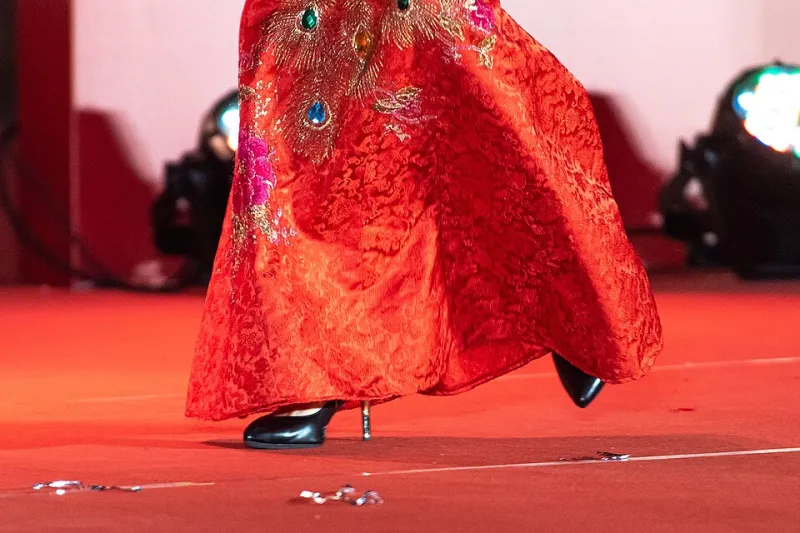
Photo: N509FZ, CC BY-SA 4.0, via Wikimedia Commons
Party season has a way of making perfectly good shoes feel obsolete. You open the wardrobe, spot the courts you wore to three Christmas dos, and decide they look tired. Before you add another pair to a basket, try a less glamorous but far more satisfying move: give last year's shoes an honest Tuesday-night audit. Not a wistful try-on. A proper triage, with a bin bag, a notepad and the sort of clear-eyed judgement you usually reserve for expired yoghurt.
Start with the pair you keep avoiding
Every shoe collection has one: the boots you skip because the heel tips have worn down to plastic, the courts with a scuffed toe, the strappy pair with a strap that flaps. These are rarely dead. They are usually just unfinished. A new pair might cost £70. A heel tip, a polish and a new insole can cost a fraction of that, and you already know they fit.
The trick is to stop treating repair as a faff and start treating it as part of party-season preparation. Think of it as a wardrobe MOT, not a craft project.
The three-pile system
Clear a bit of floor and make three piles.
Rescue. Structurally sound, but needs a small fix. Worn heel tips, scuffed toes, flattened insoles, a loose strap, a zip that sticks. These are the shoes that repay attention.
Rewear. Fine as they are, but maybe need a comfort tweak or a styling rethink. A pair of insoles, a different tight, a polished buckle. No cobbler required.
Release. Cracked soles, broken zips, heels that have gone crooked, or a fit that has never been kind. Be honest: if a pair has given you a blister every December since 2023, it is not a rescue. It is a lesson.
The repair shortlist that actually changes things
Not every fix is worth it, so set a ceiling. A useful rule: repairs should cost no more than a third of replacement, unless the shoe is genuinely beloved or impossible to replace.
At a typical UK cobbler, heel tips often sit around £8-£15, a full reheel £15-£25, toe scuff repair or a proper polish £8-£20, insoles £5-£12, and strap or elastic fixes £10-£20. Prices vary by town and by shoe, so ask before you hand anything over. A £12 heel tip on a pair you already love is a bargain. A £60 rebuild of a £45 pair is not.
The repairs that make the biggest visual difference are usually the smallest: fresh heel tips so you don't click into a room sounding like a warning, a toe polish to lift scuffed leather, a new insole so you can actually last past 10pm, and a sole protector if you walk to the station in them. These are the details that read as polish rather than panic.
The cost-per-wear maths that changes your mind
Take a £65 pair of ankle boots worn 40 times. That is £1.63 per wear. Add £12 for heel tips and you are at £1.93. Now imagine a new £75 pair worn ten times because they pinch. That is £7.50 per wear, and the rescued pair wins before it has left the hallway.
Cost per wear is not just about money. It is about decision fatigue. A pair you trust, that has already survived a office party and a rainy walk home, is worth more than a pair you are still breaking in on 18 December.
The small fixes that read as intentionally polished
A rescued shoe should not look merely surviving. Give it a finish. Wipe down the upper with the right cloth, use a matching polish, and buff. Replace frayed laces. Tuck a rolled pair of socks or shoe trees inside to hold the shape. If a strap is loose, have it shortened rather than fiddling with a safety pin all night. If the insole is tired, swap it for a fresh one; it is the cheapest comfort upgrade in the business.
A 45-minute audit plan
- Gather every pair of party-adjacent shoes: courts, boots, strappy sandals, metallic flats.
- Wipe them down so you can see what you are dealing with.
- Check heel tips, toes, straps, insoles and soles.
- Try them on with the tights or socks you will actually wear.
- Sort into rescue, rewear and release.
- Bag the rescue pile for the cobbler and note the quote ceiling.
- Write down any genuine gaps. If you truly need a new pair, buy for the gap, not the mood.
Release without guilt
Charity shops want wearable shoes, so pass on the rewear pile if it no longer suits you. For the release pile, check your local council's textile recycling before binning anything. Dead shoes can still have a useful afterlife.
By the time the 2026 invitations land, the goal is simple: reach for a pair you already own and feel put-together, not resigned. A £10 heel tip and an evening in can save you £70 and a lot of January regret. That is the kind of party prep we can get behind.